7:00AM - 8:00PM
Monday to Saturday

Monday to Saturday
+91 7983277934
Rishikesh, 249204


In the evolving landscape of yoga education, Multi-Style Yoga Teacher Training (YTT) has emerged as a dynamic and comprehensive approach to preparing future yoga instructors. This training encompasses various yoga styles, offering a holistic and versatile foundation that can profoundly transform your practice and teaching capabilities. Here’s why Multi-Style Yoga Teacher Training is a transformative opportunity for aspiring yoga teachers.
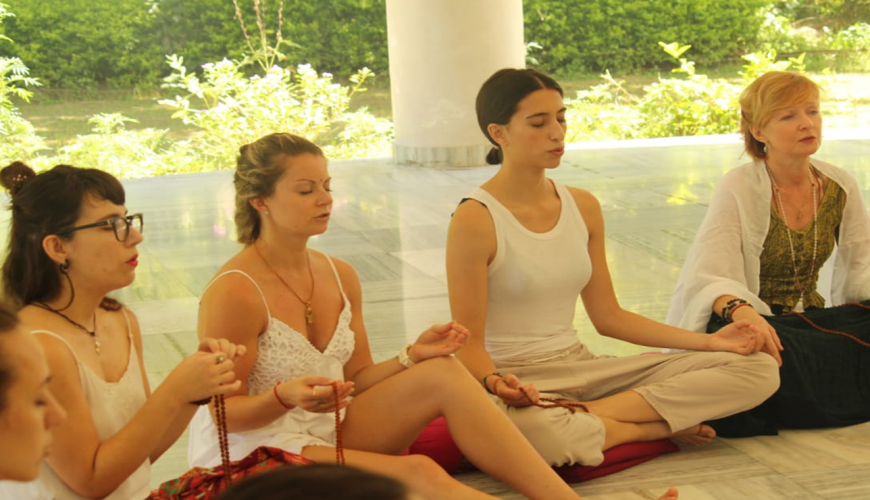
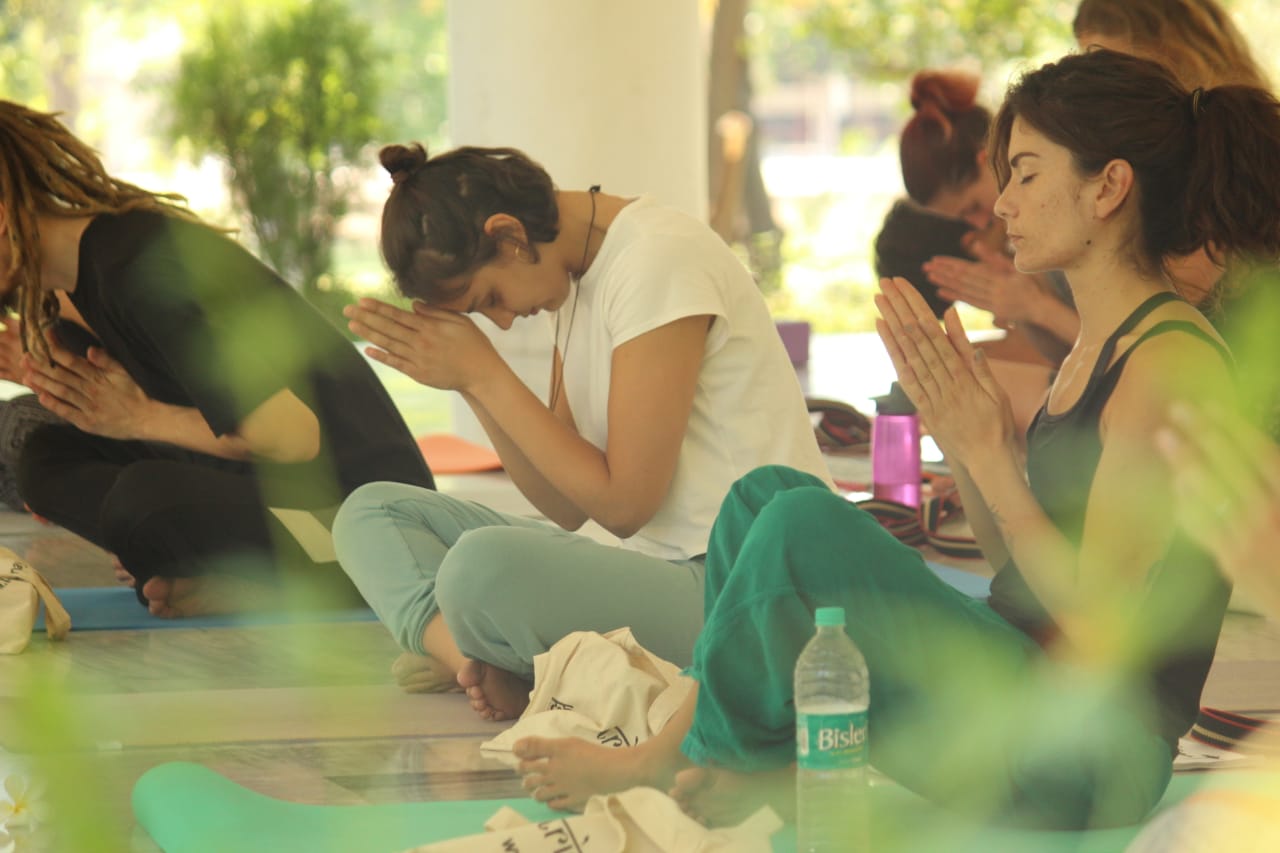
Multi-Style Yoga Teacher Training is an inclusive program that integrates multiple yoga disciplines into one cohesive curriculum. Rather than focusing on a single style, such as Hatha or Vinyasa, this training covers a diverse array of yoga practices. Participants gain exposure to various styles, techniques, and philosophies, equipping them with a broad skill set and a deeper understanding of yoga.
1. Diverse Curriculum
The primary feature of Multi-Style YTT is its diverse curriculum. Trainees learn different yoga styles, such as:
2. Comprehensive Knowledge
Multi-Style YTT provides a comprehensive understanding of yoga. Trainees explore various aspects of yoga, including:
3. Versatility in Teaching
By learning multiple styles, trainees become versatile instructors. They can teach a variety of classes, catering to different student needs and preferences. This adaptability is a significant advantage in the diverse yoga community, enhancing employability and broadening teaching opportunities.
1. Personal Transformation
The immersive nature of Multi-Style YTT promotes personal growth. Trainees often experience significant physical, mental, and spiritual transformation. The varied practices encourage self-exploration and a deeper connection with one’s inner self, fostering a profound sense of well-being.
2. Enhanced Teaching Skills
Exposure to multiple styles enhances teaching skills. Trainees learn how to adapt their instruction to different class settings and student abilities. This versatility allows them to offer a more personalized and effective teaching approach, benefiting their students’ diverse needs.
3. Broader Perspective
Multi-Style YTT provides a broader perspective on yoga. Understanding different styles and philosophies deepens one’s appreciation of yoga’s richness and diversity. This comprehensive knowledge enables teachers to draw from various traditions, creating more engaging and enriching classes.
4. Increased Employability
In the competitive yoga teaching market, versatility is a valuable asset. Multi-Style YTT graduates are equipped to teach a wide range of classes, making them more attractive to yoga studios, wellness centers, and fitness clubs. Their ability to cater to different student demographics increases their employment opportunities and career prospects.
5. Community and Connection
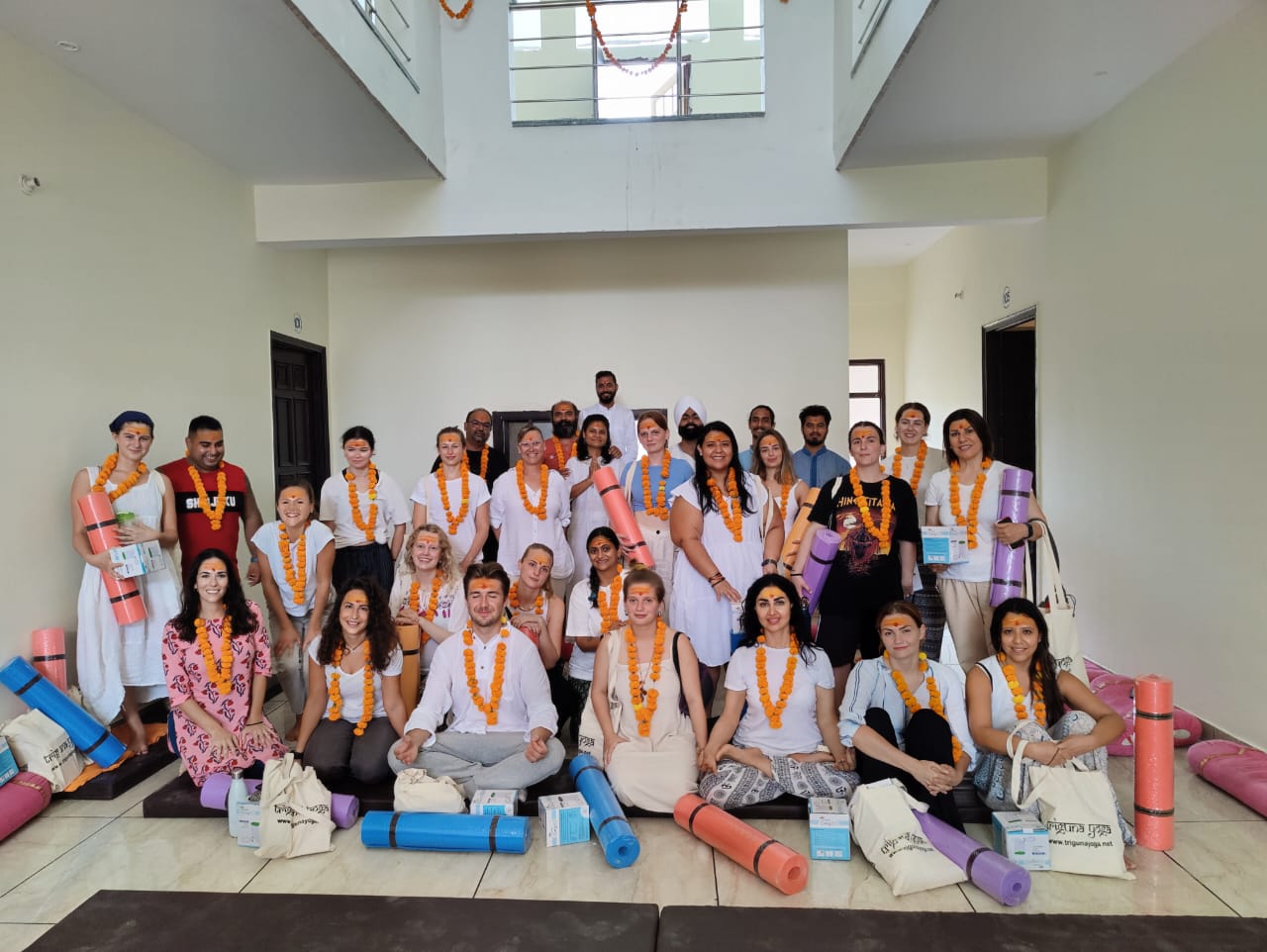
Multi-Style YTT fosters a strong sense of community. Trainees often form lasting bonds with their peers, creating a supportive network. This sense of connection extends beyond the training, providing ongoing support, inspiration, and opportunities for collaboration.
1. Research Accredited Programs
Ensure the program is accredited by a reputable organization, such as Yoga Alliance. This accreditation guarantees that the training meets high standards of education and quality.
2. Evaluate the Curriculum
Look for a program with a well-rounded and comprehensive curriculum that covers a variety of yoga styles and essential teaching skills.
3. Consider the Instructors
Experienced and knowledgeable instructors are crucial for a quality training experience. Research the credentials and teaching backgrounds of the program’s instructors.
4. Assess the Training Format
Choose a format that suits your lifestyle and learning preferences. Some programs offer intensive, immersive training, while others provide flexible, part-time schedules.
5. Read Reviews and Testimonials
Reading reviews and testimonials from past trainees can provide insights into the program’s quality and the experiences of other students.
Multi-Style Yoga Teacher Training is a transformative opportunity that equips aspiring yoga teachers with a broad and versatile skill set. The diverse curriculum, comprehensive knowledge, and enhanced teaching abilities gained from this training prepare you to thrive in the dynamic world of yoga instruction. By embracing multiple yoga traditions, you can offer richer, more engaging classes and foster a deeper connection with your students. Embark on this transformative journey and unlock your potential as a versatile and inspiring yoga teacher.
Halasana, commonly known as the Plow Pose, is a classic yoga posture that involves lying…
Becoming a yoga teacher is a rewarding journey that blends personal transformation with the ability…
Embarking on a 200-hour yoga teacher training (YTT) in Rishikesh is more than just a…
The Himalayan region, often regarded as the birthplace of yoga, is steeped in sacred traditions…

With our experienced instructors, comprehensive curriculum, supportive environment, and commitment to authentic teachings, Triguna Yoga stands out as a premier choice for Yoga in Rishikesh. Embark on your transformative journey with Triguna Yoga and experience the profound benefits of Yoga in India.
GET MORE DETAILS ON WHATSAPP @ +91 73008 36700